82 Worcester St Unit C, North Grafton, MA 01536
Mon to Wed 8:30 to 5:00 / Thu by appointment / Fri 9:00 to 2:00
Call (508) 839-6464
Tooth Extractions
Grafton Smiles performs tooth extractions at 82 Worcester St Unit C, North Grafton, MA 01536, as a last resort when a tooth cannot be saved, with thorough anesthetic, written aftercare and a replacement plan agreed before removal. Open Mon to Wed 8:30 to 5:00, Thu by appointment, Fri 9:00 to 2:00. Call (508) 839-6464.
When it is right
Extraction is the treatment of last resort at this practice, and that is a policy, not a slogan: teeth that can reasonably be saved with a filling, crown or root canal are saved, because nothing we can put in your mouth is quite as good as the root you grew. The genuine reasons a tooth comes out: broken or decayed beyond rebuilding, a vertical root fracture, advanced gum disease that has cost the tooth its bone support, an infection that treatment cannot resolve, or a tooth hopelessly in the way of other necessary work.
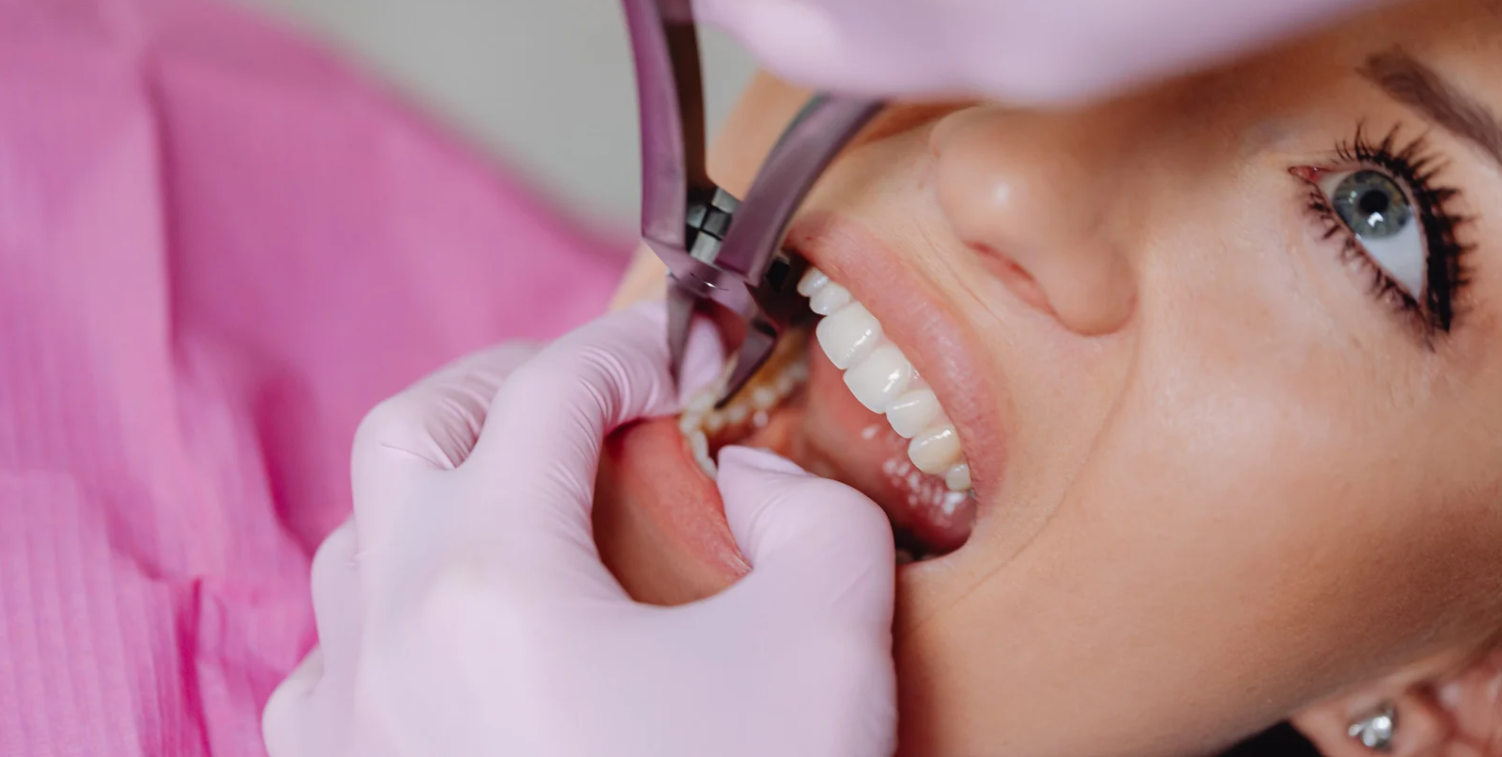
When extraction is the honest answer, the modern version is calmer than most people's mental image. The area is numbed thoroughly and tested before anything starts, the tooth is loosened and removed with steady pressure rather than force, and what you feel is pushing, not pain. You leave with the site protected, written aftercare, and, importantly, a plan for the space, because the extraction is the middle of the story, not the end.
The first week
| When | Do | Avoid |
|---|---|---|
| First hour | Bite firmly on the gauze, swap it as instructed, head elevated | Checking the site, rinsing, spitting |
| First 24 hours | Cold compress outside the cheek, soft cool foods, rest, pain relief as directed | Straws, smoking, alcohol, hot drinks, exercise: all of these dislodge the clot |
| Days 2 to 3 | Gentle warm salt water rinses after meals, soft foods, brush other teeth normally | Chewing on the site, vigorous rinsing |
| Days 4 to 7 | Ease back toward normal eating as comfort allows | Ignoring worsening pain: pain that increases on day 3 or 4 can be dry socket, and we want to see you same day |
The space
The socket heals over weeks, but the bone beneath begins its slow disuse shrink from the day the root leaves, and the neighbors begin their drift. That is why the replacement conversation happens before the extraction, not a year later: a single tooth implant is usually the strongest answer, a bridge or partial denture the alternatives, and doing nothing is a legitimate choice for some teeth, chosen with open eyes. Where an implant is the plan, timing matters and is decided case by case: some sockets suit placement soon after extraction, others heal first.
Tell us your full medication list before any extraction, including blood thinners and bone medications, because several common prescriptions change how we plan the visit and protect your healing; adjusting the plan is routine, but only if we know. Anxiety is equally worth declaring when you book, since a paced appointment with everything narrated is most of what nervous patients actually need; and if you think you may need more than pacing, ask about comfort options, as sedation may be available for some cases, and the front desk will tell you honestly what can be arranged.
Honesty about limits: most extractions, including many broken teeth, are done here at the North Grafton office; the genuinely surgical cases, deeply impacted teeth or roots wrapped around the nerve canal, are referred to an oral surgeon with our reasoning explained. Costs follow the standing rule, insurance verified and your written share first, and if the extraction is an emergency, call: if the office is open we will see you as soon as we possibly can.
Common questions
The area is numbed thoroughly and tested before anything begins, so what you feel during the extraction is pressure and pushing rather than pain; the sensation surprises most patients by being strange rather than painful. Soreness afterward is normal for a few days and responds to ordinary pain relief, while pain that worsens on day three or four is not normal and means you should call us the same day. Call Grafton Smiles at (508) 839-6464.
Dry socket is what happens when the blood clot protecting the healing socket is dislodged too early, exposing bone and causing pain that intensifies a few days after an otherwise fine extraction. Prevention is behavioral and effective: no straws, smoking, spitting or vigorous rinsing in the first days, since suction and swishing are what pull clots loose. If it happens anyway, we dress the socket and relief is fast. Call Grafton Smiles at (508) 839-6464.
It depends on the socket, and both answers are routine: some sites suit implant placement soon after the extraction, which can shorten the total journey, while infected or damaged sockets heal first for months before the post goes in. The cone beam scan and the state of the site decide, and the replacement plan is discussed before the tooth comes out, not after the bone has spent a year shrinking. Call Grafton Smiles at (508) 839-6464.
You can, and for some teeth, particularly far-back molars without a partner tooth, it is a defensible choice made with open eyes; for most other positions the gap has a cost on a delay: neighbors drift, the opposing tooth over-erupts, the bite shifts and the bone shrinks, all of which make later replacement harder and more expensive. We lay out what your specific gap will likely do so the choice is genuinely yours. Call Grafton Smiles at (508) 839-6464.
Most extractions, including many broken and badly decayed teeth, are done at the North Grafton office; genuinely surgical cases such as deeply impacted teeth or roots involved with the nerve canal are referred to an oral surgeon, and you will hear exactly why yours is or is not one of them after the exam and X-ray. Emergencies are triaged the practice's standing way: call, and if we are open we see you as soon as we possibly can. Call Grafton Smiles at (508) 839-6464.